
News
Correct Gearbox Operation to Reduce Clutch Wear
In the driveline of a heavy truck the clutch is a peculiar component: its design life is set by materials, but its real life is largely set by driving habits. With the same three-piece clutch set, a fleet that operates properly can run several hundred thousand kilometres, while a badly driven truck may show slipping, burnt facings and judder on take-off after a hundred and some thousand kilometres. Replacing a clutch means dropping the gearbox, and parts plus downtime cost far more than getting the operation right.
This article is written for Sinotruk users operating in African, Middle Eastern and South Asian conditions. It sets out the correct technique for moving off, shifting, hill starts and AMT models, and lists the practices that damage the clutch most, so that fleets can use it directly for driver training.
1. What the clutch does on a heavy truck
The clutch sits between the engine and the gearbox and consists of the flywheel, pressure plate, driven disc (friction disc) and release bearing. In normal driving the driven disc is clamped by the pressure plate against the flywheel face, and engine torque is transmitted to the gearbox through the friction surfaces; when moving off or shifting, pressing the pedal makes the release bearing push the diaphragm spring, the pressure plate moves away from the driven disc, and drive is temporarily cut.
One principle is enough to understand: the clutch transmits torque through clamping force and friction surfaces. Whenever there is relative slip between pressure plate and driven disc, friction and wear are taking place, and the friction disc temperature rises accordingly. The longer the slip and the greater the torque, the faster the wear; once the temperature is high enough, the friction facing scorches and hardens, the pressure plate face turns blue and distorts, clamping force falls, and the clutch enters a vicious circle of worsening slip and accelerating wear.
So reducing clutch wear comes down to two things in essence: reduce unnecessary slip time, and make every engagement smooth, quick and complete.
2. Moving off: the first action that decides clutch life
Moving off is where the clutch spends the longest time slipping, and where the friction disc takes the hardest hit. In Sinotruk driver training material the technique is summed up in three words: fast, pause, slow.
(1) Choose the right starting gear
Heavy load, full load and hill starts must use first gear. An empty truck on level road may use second, but starting in second or above is an operating error on a heavy truck: the driven disc has to move the whole vehicle’s inertia the moment it engages, slip at the instant of engagement is large, the friction disc and damper springs take damage, and the truck judders as it pulls away.
Judge the starting gear not by feel but by load and gradient. The heavier the load and the steeper the gradient, the lower the gear. Heavy-load climbing is common in African mine sites and construction sites; preparing to start in first gear saves far more than stalling halfway and starting again.
(2) The fast, pause, slow pedal rhythm
Fast means that from the bottom of the pedal travel up to the point where the disc meets the flywheel, the foot can come up fairly quickly; pause means holding briefly at that contact point so the friction surfaces begin to transmit torque smoothly; slow means releasing the remaining free travel after the contact point gradually, with throttle applied, until the clutch is fully engaged.
The pause is the step most often skipped. Snapping the clutch up makes the truck lurch forward and shocks the driveline; holding it near the contact point without moving keeps the friction disc slipping and heating. Pausing to get the truck rolling, then releasing fully, balances smoothness and life.
(3) Matching the throttle
Apply throttle gently as the clutch comes up — just enough to keep the revs steady without stalling, and do not hold the clutch half-engaged with a big throttle. Too much throttle with the clutch half up means high engine speed and stationary wheels, and all the power turns into heat in the friction disc: the classic way to burn a clutch. Get the truck rolling first, then change up according to the road.
(4) Hill starts
For a hill start, hold the truck with the parking brake (handbrake) first, press the clutch and select first gear, let the clutch up slowly to the contact point, and when you feel the nose dip and the truck begin to pull forward, release the handbrake and keep applying throttle. Do not hold the truck on the hill on the half-clutch for a long time; that amounts to burning the clutch continuously.
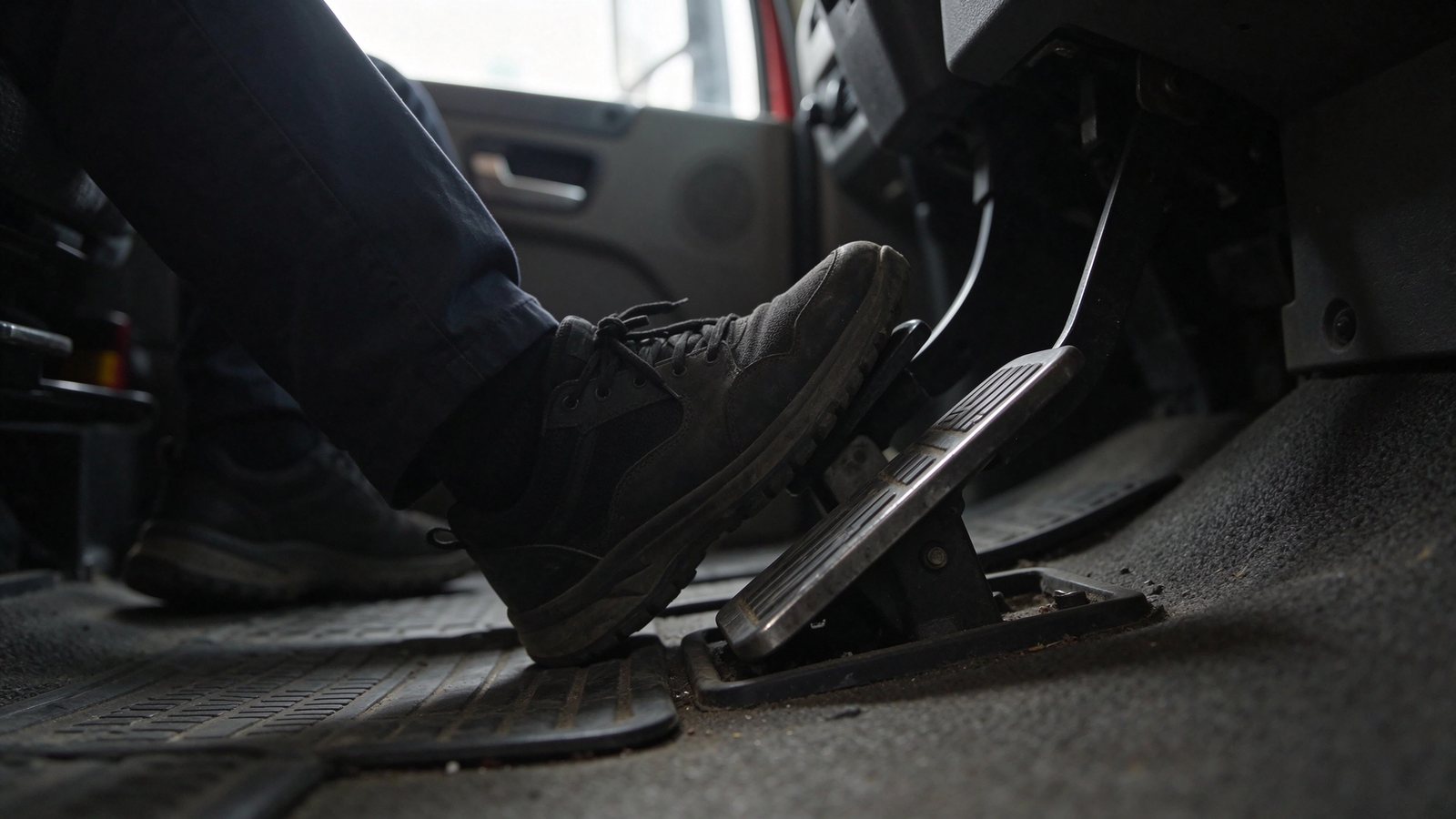
Figure 1 Except when shifting, the left foot should be off the clutch pedal and resting on the floor
3. Shifting: the standard technique for a manual gearbox
The manual gearboxes fitted to Sinotruk export models are mainly the HW10, HW12 and HW16 series, with a main box and a range box, and high/low range or splitter preselection. Bad technique damages the synchronisers and range-box gears first, not only the clutch.
(1) Press the clutch fully down, engage fully
Every shift needs the clutch pedal pressed right to the floor so the drive is fully disengaged before the lever is moved; after engaging, make sure the lever has actually entered the gear position rather than sitting between two gears. Shifting without the clutch fully down causes gear tooth clash and early wear of the synchroniser cones — that is the “crunch” you hear when shifting.
(2) Double-clutching and shift points
On twin-countershaft gearboxes such as the HW10 and HW12, standard practice is double-clutching: press the clutch to the floor and take the gear out into neutral, release the clutch, press it to the floor again and engage the next gear, keeping the whole shift to about two seconds. Double-clutching lets the main-box gears freewheel down in neutral, reducing the shock of engagement.
Engine speed must match road speed. The economical range for a diesel is roughly 1100–1400 rpm; after moving off fully loaded, shift at about 1200–1250 rpm. On a climb, downshift when the revs fall to around 1200 rpm rather than waiting until the engine is about to stall.
(3) The correct sequence for range and splitter preselection
The sequence for a range change must not be reversed: first move the high/low (L/H) preselection switch on the shift lever, then press the clutch and shift into neutral, and only after the range change has completed select the target gear. The range box changes range only in neutral; flicking the switch while in gear shocks the range-box synchroniser.
The HW16 gearbox uses the double-H mechanism, and every forward gear also has a high/low splitter; for the splitter too, move the preselection switch first, then press the clutch and shift. Reverse may be engaged only with the vehicle completely stationary and the engine at idle; selecting reverse while moving will damage the gears outright.
(4) Two hard prohibitions
First, at road speeds above 30 km/h it is forbidden to shift from the high range into the low range. Grabbing a low range at speed damages the range-box synchroniser and shocks the gears — a rule repeated throughout the training material.
Second, coasting in neutral is forbidden. Coasting in gear lets the engine cut fuel while retaining engine braking; coasting in neutral loses braking capability, makes the brakes prone to fade on long descents, saves little fuel, and adds risk to clutch and gearbox operation.
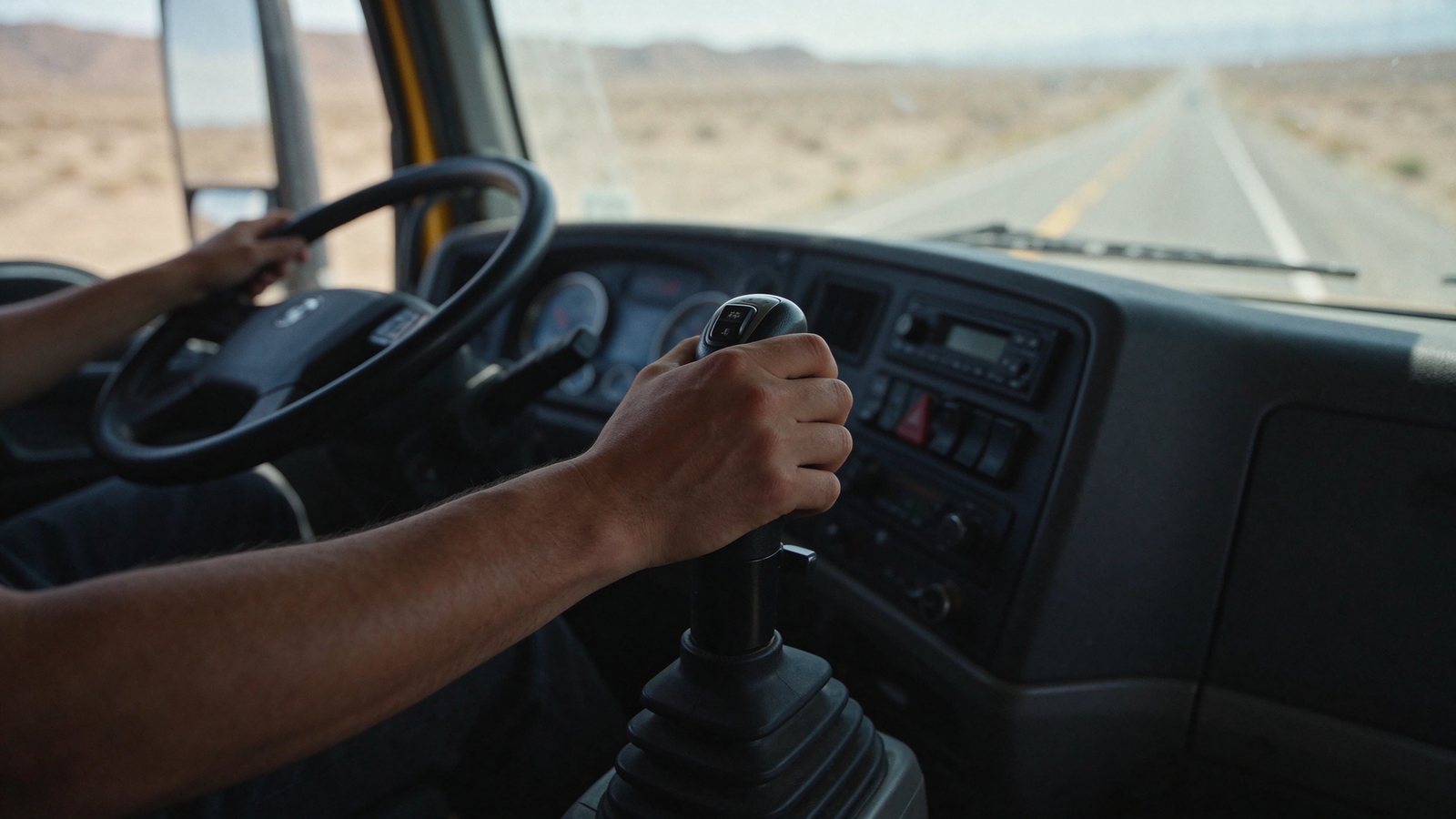
Figure 2 Before shifting, preselect the high/low range switch, then press the clutch and engage the target gear
4. The eight practices that damage the clutch most
The table below sets out the most common errors in overseas fleets together with their consequences and the correct practice; it can be used directly as a driver-training reference sheet.
Table 1 Common clutch-damaging practices and the correct practice
| Wrong practice | Consequence | Correct practice |
|---|---|---|
| Resting the left foot on the clutch pedal while driving | Release bearing under constant load, driven disc in a half-worn state | Keep the left foot off the pedal except when shifting, resting on the floor |
| Long half-clutch work in mud or on a climb | Friction facing scorched at high temperature, pressure plate discoloured and distorted | Hold speed in a low gear instead of grinding on the half-clutch |
| Starting in second or higher under heavy load | Heavy take-off shock, slip and wear, judder | Start in first under load; consider second only when empty |
| Snapping the clutch up with a big throttle | Driveline shock, friction disc and damper springs damaged | Fast–pause–slow pedal, with gentle throttle |
| Shifting without the clutch fully down | Gear clash, early synchroniser wear | Press fully down before engaging, confirm the lever is in position |
| Grabbing a low gear at high road speed | Range-box synchroniser damage, gear shock | Slow down first, then shift within the correct range |
| Coasting downhill in neutral | Loss of engine braking, brake fade | Coast in gear, with exhaust brake or retarder |
| Resting a hand on the shift lever | Uneven wear of the shift mechanism and synchronisers | Take the hand off the lever as soon as the shift is done |
5. Routine checks on the clutch and gearbox
(1) Pedal free play
Clutch pedal free play is the distance the pedal travels from its rest position to the point where resistance begins; the reference value is about 30–40 mm, with the manual supplied with the vehicle taking precedence. Too little free play keeps the release bearing pressed against the release levers so the clutch is half-disengaged, which shows up as slipping; too much means insufficient effective release travel, which shows up as incomplete disengagement and gear clash.
Incorrect free play can be adjusted at the slave cylinder pushrod length, and after adjusting, try a take-off and a shift on a straight level road. If it still slips or will not disengage, the problem is not the free play and the friction disc, pressure plate and release bearing need to be removed and inspected.
(2) A simple slip test
On a flat, safe area, apply the parking brake, select first gear and let the clutch up slowly while applying light throttle. If the engine stalls, clutch clamping force is normal; if the engine keeps running while the truck is held, the clutch is slipping and should be brought in for inspection.
Common causes of slipping fall into a few groups: pedal free play too small; driven disc friction facing worn to the limit or rivets exposed; oil contamination on the facing; pressure plate springs weak or broken; release bearing sleeve sticking on its return. If oil is present, find the source of the leak first — usually a failed gearbox input shaft seal; replacing the friction disc without stopping the leak means the new disc is contaminated again very soon.
(3) Gearbox oil and breather
The gearbox uses GL-5 85W-90 heavy-duty vehicle gear oil. Under Sinotruk maintenance recommendations, road vehicles change it at about 100,000 km or 10 months, and off-road and site vehicles at about 25,000 km or 5 months, whichever comes first. Check the level and condition at every scheduled service and change early if the oil is black or contains metal particles.
Keep the gearbox breather clear; once blocked, pressure builds inside the box and oil leaks readily past the seals. Also check that the slave cylinder pushrod and the release fork return freely — if they stick, the release bearing does not return, which also causes slipping.
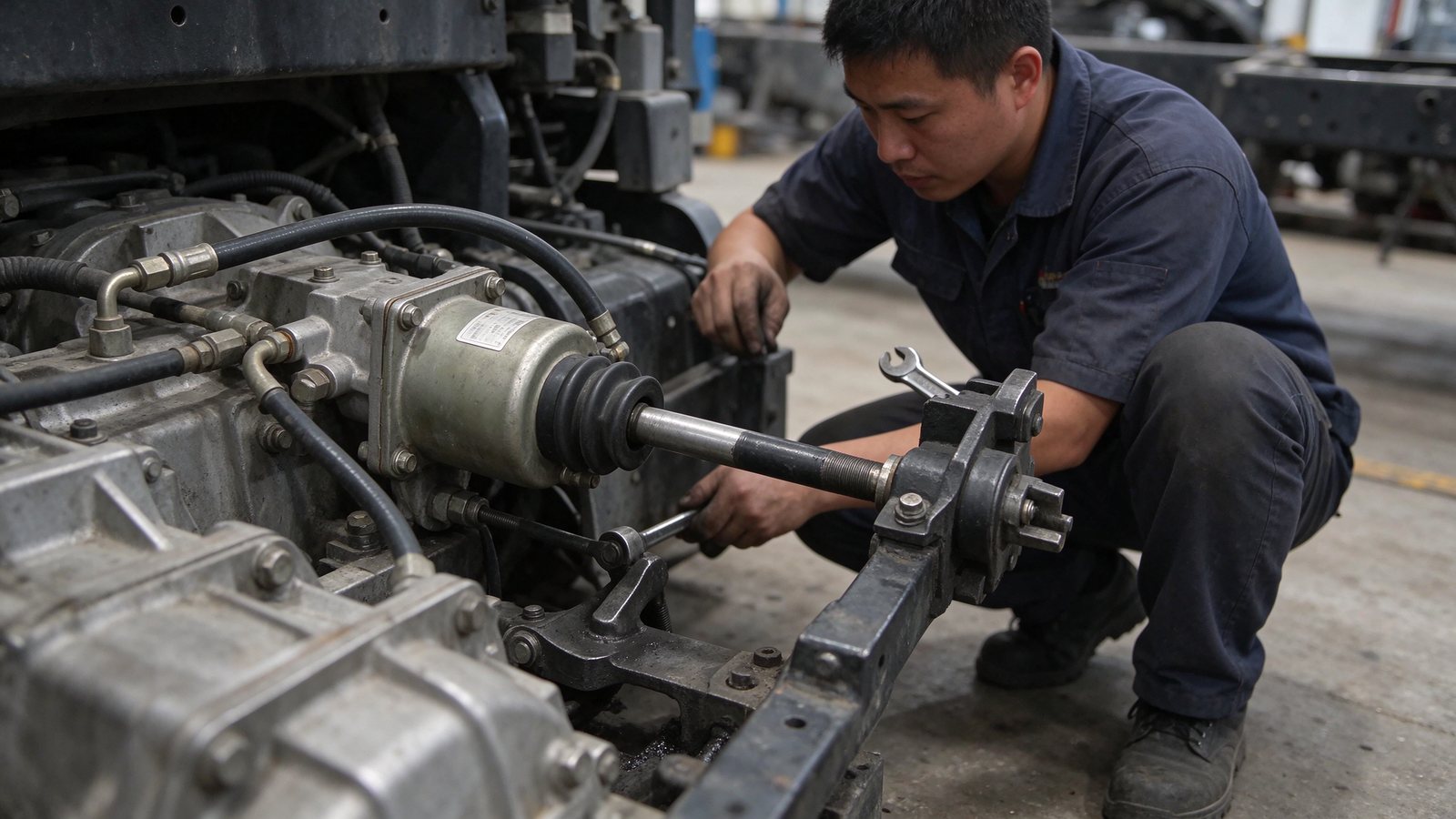
Figure 3 Check the clutch slave cylinder, pushrod return and lines for leaks at regular intervals
6. How to drive an AMT model
On models with an AMT automatic gearbox, clutch engagement, disengagement and shifting are handled by the transmission control unit (TCU), and there is no clutch pedal to operate. Its operating logic differs from a manual in several ways, and drivers easily fall back on old habits.
First, the starting gear is chosen by the driver. Before selecting a forward or reverse gear, confirm the starting gear appropriate to the load and road conditions; the AMT will not decide between first and second for you.
Second, A is automatic mode, where the system selects gears according to road speed, throttle and load; M is manual mode, where the driver gives the shift commands while the system still works the clutch. You can switch between the two modes while driving, and the instrument panel shows the current mode and gear.
Third, do not push and pull the lever to intervene in shifts while driving. The system selects gears from engine speed and load, and frequent manual override upsets the shift strategy and easily creates conflicting gear requests. When you need to overtake or climb early, switch to manual mode, drop one gear, and switch back to automatic afterwards.
Fourth, watch for a flashing gear indicator and fault messages. A flashing gear display during a shift is normal; if the warning persists, a gear cannot be established or the truck pulls away without power, pull over, check and contact the service station — do not keep driving loaded.
7. Extra reminders for African conditions
(1) Starting under heavy load
Overloaded hauling is common in African mining areas, construction sites and the urban fringe. The heavier the load, the lower the gear, the slower the pedal release and the lighter the throttle; do not expect the clutch to “hold” the load and grind it up slowly. If the start begins to slip, return to neutral, drop to a lower gear and start again.
(2) Mud and slippery surfaces
When the wheels spin, do not snap the clutch up and floor the throttle to force through; that only makes the driven disc slip and heat while the wheels sink deeper. Select a low gear, engage the inter-wheel or inter-axle differential lock if necessary, and hold a steady throttle to get through at constant speed.
(3) Long climbs and descents
Choose the gear before starting a climb, so that you do not stall halfway up and have to start again; on descents do not coast in neutral — engage a low gear in advance and use the exhaust brake or hydraulic retarder to control speed, letting the auxiliary brake take most of the descent.
(4) High temperature and waiting at idle
In high ambient temperature the clutch has poorer cooling, and repeated half-clutch work easily burns the facing. In traffic jams or while waiting to load, do not sit with the clutch pressed and a gear engaged; shift to neutral, apply the handbrake and take the left foot right off the pedal.
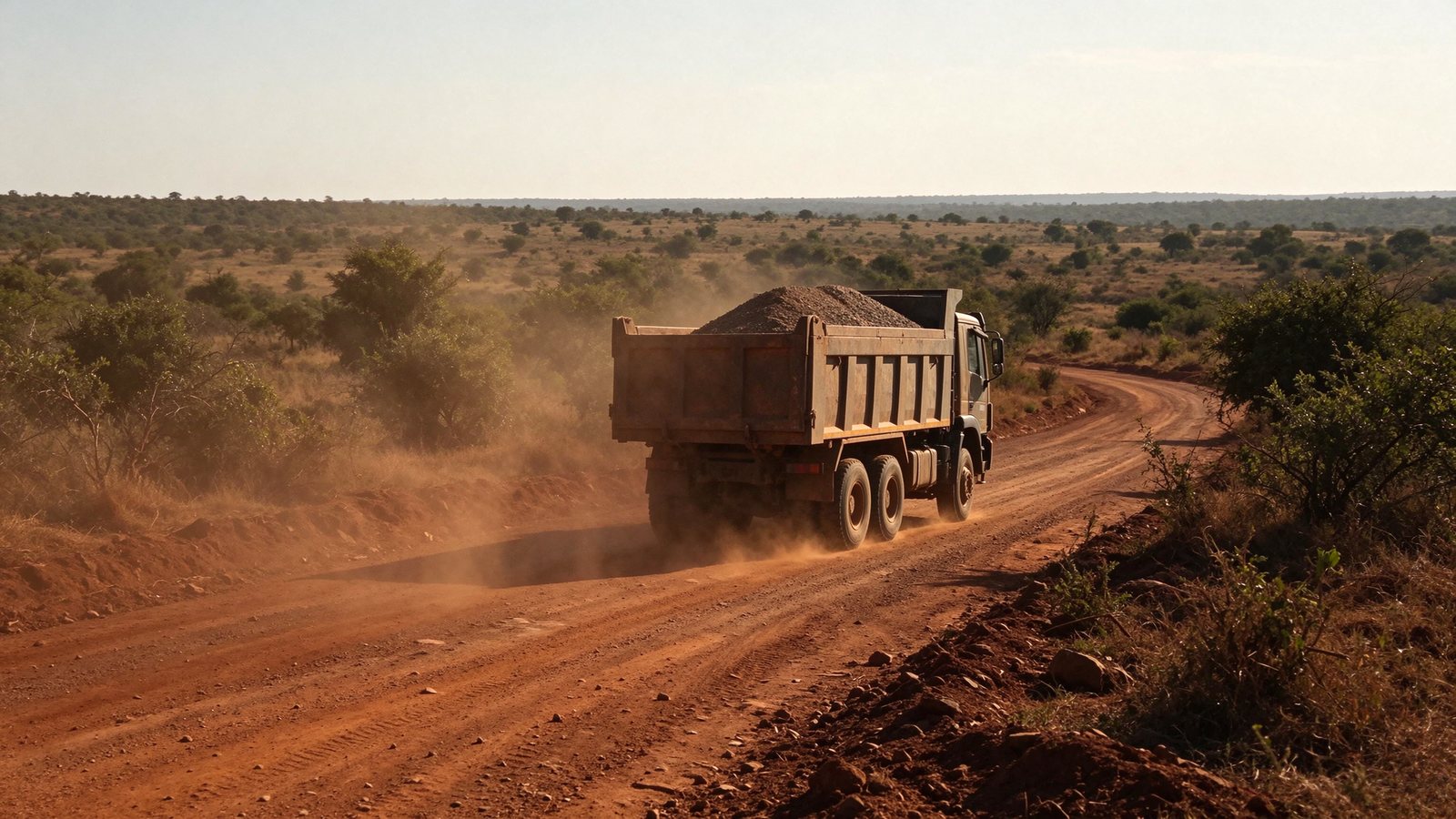
Figure 4 On heavy-load bad roads, choose a low gear in advance to avoid stalling and repeated half-clutch work
8. Conclusion
Clutch and gearbox life depend on the quality of the components and on operating habits. Start properly, press the clutch fully down when shifting, reduce half-clutch work, do not grab a low gear at speed and do not coast in neutral: do these and wear on the friction disc and synchronisers drops noticeably, and the fleet’s downtime and repair costs fall with it.
We are an authorized first-tier Sinotruk dealer based in Jinan, long engaged in the export of Sinotruk complete vehicles and parts. We supply HOWO, SITRAK and other series in both manual and AMT versions, together with genuine clutch assemblies, driven discs, release bearings, gearbox gear oil and shift mechanism parts, and provide left- or right-hand drive and the appropriate emission level for the target market, with operating documentation in English. If you need a clutch maintenance parts list, a wear-parts stocking plan or driver training material for a specific model, please contact us.
The operating points in this article are based on Sinotruk HOWO series driver training material and the operation and maintenance manuals for each model. Specific free play, shift points and service mileages are subject to the manual supplied with the vehicle and to the confirmed order configuration.